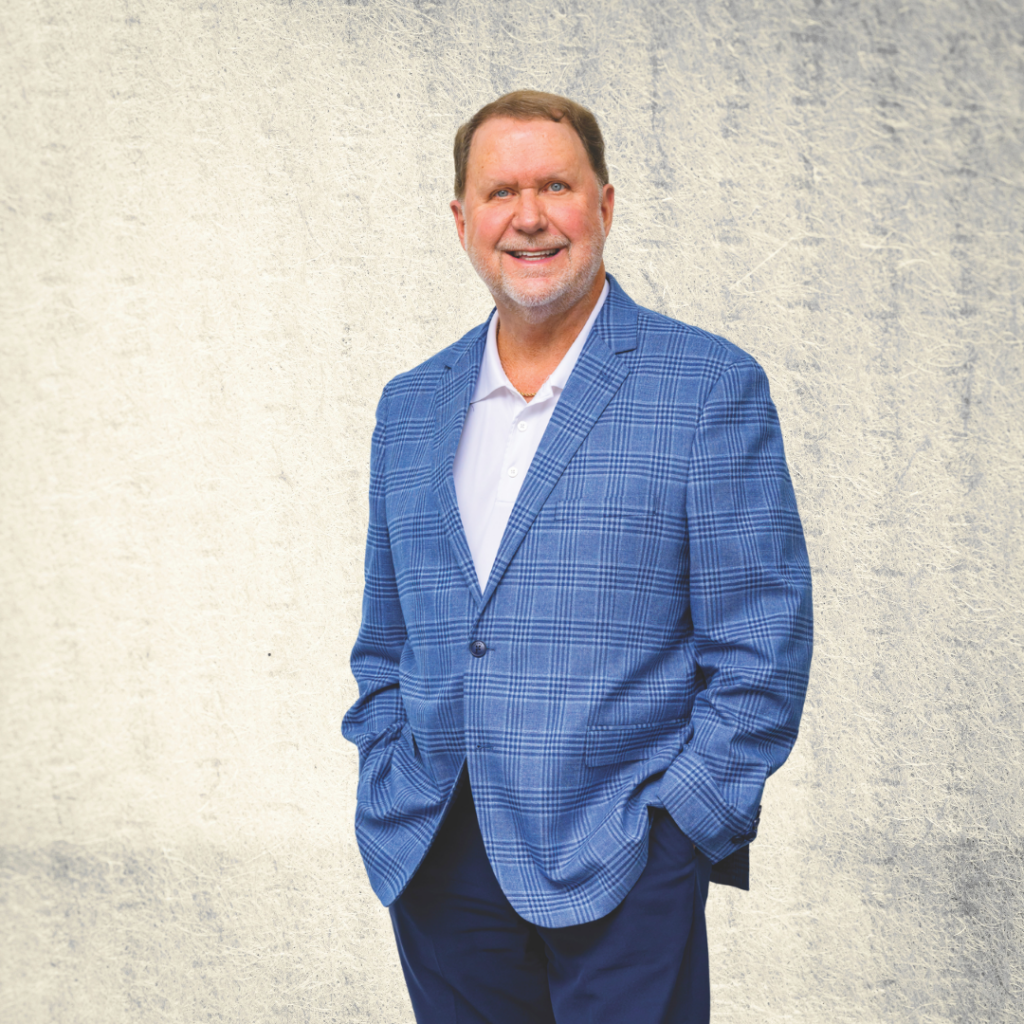
Catching up with… Larry Hanson
CEO and Executive Director of the Georgia Municipal Association
Larry Hanson represents Georgia’s cities through advocacy, training and consulting. Previously, he served as city manager of Valdosta for more than 22 years.
 What do state leaders and business executives most often misunderstand about municipal government?
 People want the police to respond timely [during] a crime. If their house is on fire, they want a quick response time from the fire department. All of those things [are] paid for by taxes. While they’re essential [when] we really need them, they have to be provided all of the time. A lot of what we do is try to inform and educate [folks] about the relationship between the taxes we pay for the services we receive and how it impacts quality of life.
What are the biggest challenges facing cities?
We are responsible for assisting all 536 cities in Georgia. It’s a challenge because cities are not alike, [but] they all want to be a place where people want to live [and work, a place] for young people to stay [in] or return to. At GMA we do a lot of training and education to help cities get better at placemaking – creating an environment people want to invest in and young people want to return to. For example, we now have a team of municipal consultants living in [or bordering] 12 districts across the state. These staff [members] can help cities with various issues.
What will most shape the future of Georgia’s cities?
Over the last eight to 10 years … we’ve recruited a lot of big jobs to Georgia, and that’s been good for our economy. But that also creates challenges like the need for more housing. That’s a national issue, and it’s also an issue here in Georgia. Local governments have a limited role. The things that drive the cost of housing are land, which cities have no control over, the price of land, and the price of lumber and building materials. We don’t have any control over lumber, land or lending. But what cities can have influence over is their zoning and their land use. We’ve been partnering with the Georgia Chamber [of Commerce] on a toolkit for housing. We’re all supporting the same thing – for our communities to prosper and for people to have good, affordable housing. It’s just essential that we try and work together as partners and not as adversaries.
What can cities realistically do to increase housing supply across the state?
We have a program called the Georgia Initiative for Community Housing, where we bring cities together on a three-year program to help them improve their housing stock and how they deal with things like substandard housing. A lot of what we do is bring cities together, through training and education, to give them models that work for them regardless of their size or their geographic location. We help cities understand that most any problem one city is experiencing, another has already experienced and found a solution. Just by being a convener, we can help cities have those conversations and learn from each other.
How will property tax caps impact Georgia cities?
Over time, this may shift more of the property tax burden from homeowners to businesses, industry, retail, rental properties and other taxpayers. On the other hand, [the new law] also expands cities’ revenue options by making all cities and counties eligible for the FLOST sales tax and creating a new option called LHOST. Either of these recently created sales taxes may be implemented to lower property tax by replacing this revenue with sales tax. FLOST lowers the property tax for everyone, while LHOST gives preference to homeowners. The long-term effects of shifting to greater reliance on sales taxes are unknown, and cities with little retail and commercial businesses would be impacted. For most cities, property tax is the most reliable and stable part of a city’s revenue portfolio.
How does GMA boost city leadership?
We have a very robust training program with our partners at the University of Georgia Carl Vinson Institute of Government, where they actually learn how to become better leaders and implement better policies. We also step in and fill in existing gaps that prevent cities from reaching their full potential. We have several nonprofits that we’ve created under our umbrella. One is called the Georgia Cities Foundation, where we issue low-interest loans for private development in downtowns in Georgia.