Catching up with… Stephanie Blank
Board Chair, Georgia Early Education Alliance for Ready Students (GEEARS)
Stephanie Blank is a longtime advocate for children’s issues. She has served on multiple commissions and is a member of first lady Marty Kemp’s GRACE Commission (Georgians for Refuge, Action, Compassion and Education) fighting human trafficking.
How is GEEARS having an impact on children?

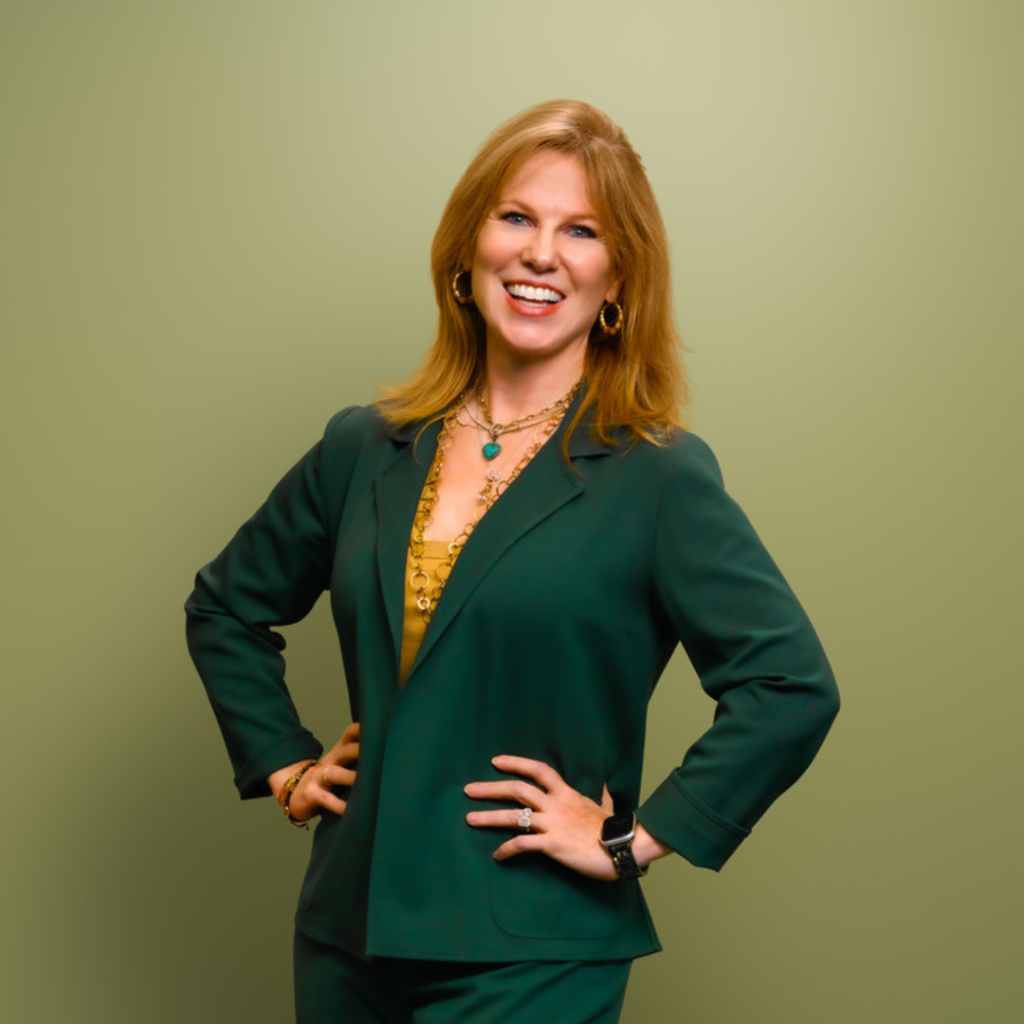
Stephanie Blank. Photo credit: Daemon Baizan
 In the very beginning, much of the work we did was helping educate folks on why early childhood education mattered so much; now, 16 years later, we’ve got Speaker [Jon] Burns putting forth a whole literacy [initiative] which focuses on early childhood. Studies done for Georgia by the Frank Porter Graham Institute at UNC-Chapel Hill in 2012 found that kids in pre-K had improvements in language, literacy and math. Another study from 2015 to 2016 analyzed the third-grade [Georgia] Milestones test and showed that kids who attended pre-K outperformed classmates who did not. Then, from 2013 through 2019, a longitudinal study found that at the end of fourth grade, the children who attended pre-K were still performing at or above the national average and had better language, literacy and executive functioning skills than those who did not.
 Give an example of a successful GEEARS program.
We started Promise All Atlanta Children Thrive (PAACT) in 2018. Through a partnership with the city of Atlanta, the Rotary Club, working with the business community and the Metro Atlanta Chamber, we raised $20 million in public-private investment for early childhood education. It’s allowed us to reinvest in many of our childcare sites. If their playground needed work, they had a leaky roof or didn’t have handicap accessibility, they didn’t have the funds to [repair] it. PAACT offers grants to qualified centers to get the work done. Another PAACT initiative addressed teacher retention and pay. Teachers received a $500 bonus when they completed a state-approved literacy-centered professional development course … and an additional $500 bonus for remaining in their childcare program for a year. [Since 2023], 92% [who enrolled] reported they are still employed at the same childcare program.
What connects the work to you personally?
When I had my first child, Joshua, in 1997, I was in the hospital room that night, and I remember thinking, ‘I’m responsible for this whole human for at least the next 18 years.’ And my mother was there to help me and my husband. I was college-educated. We were financially stable. I kept wondering, ‘What happens to a single mom?’ I started educating myself about early childhood. I read some transformative research and decided that was where I wanted to put all my time and energy. What made the most economic sense was getting it right the first time rather than trying to fix things at the back end. That’s been my through line. Let’s take care of our little people the right way, and they will be strong enough and ready enough to face a lot of challenges. But if we don’t do that, it just becomes harder and harder, and it snowballs for many children.
Where do you see strategic philanthropy going in the next 10 years?
Our systems are facing tremendous stress because of what’s happening at the federal level, particularly [with] Head Start and Early Head Start, which serve thousands of children. Last fall, [private philanthropy] raised over $8 million to provide bridge loans to keep YMCA sites open, because the YMCA is the largest provider for Head Start, Sheltering Arms and Easter Seals of North Georgia – those sites were serving over 7,000 children. Private philanthropy used advocacy to reach far and wide with political leaders on both sides of the aisle. Sometimes philanthropists worry about advocacy, but I think it’s one of the strongest levers we have because many philanthropists can impact [what] the state wants to work on and improve. As we look at the current administration, these challenges will continue, so that’s a two-year goal: Stay focused on keeping the things we know are working strong and healthy for our state. We also have a new governor coming in, and part of GEEARS’ role will be to make sure that governor will keep all the good things we’ve been working on for the past 16 years and continue to improve them. We really want to make sure that the governor is aligned from a policy perspective.