Catching up with… Tomer Zvulun
General and Artistic Director, The Atlanta Opera
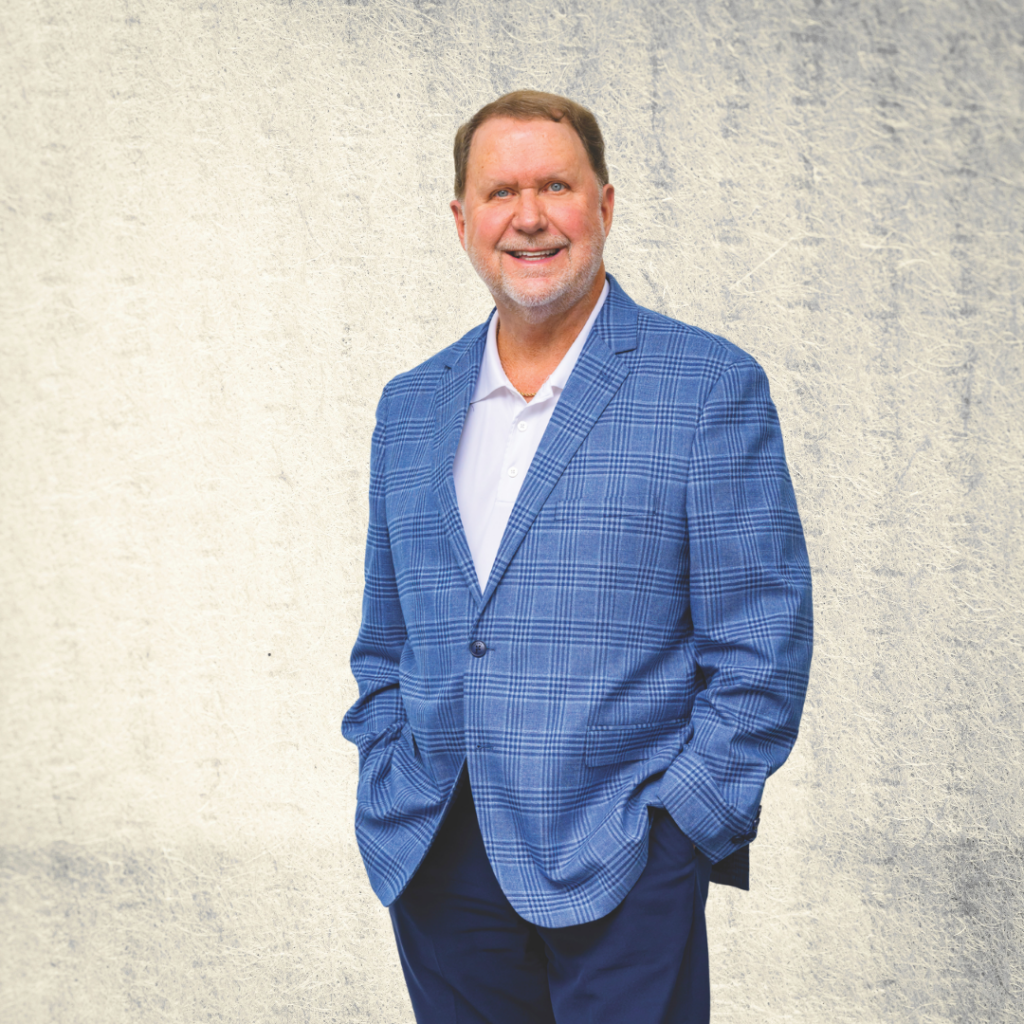
Since taking the reins in 2013, Zvulun has grown the opera’s budget and productions to make it one of the largest in the country. His mission and that of the organization is “breaking the boundaries of opera.”

Photo credit: Daemon Baizan
Why is opera relevant today?
 Every opera I know is about the human condition. And it’s not only operas, it’s every story that you know. It’s theater, it’s film. The greatest ones are the stories about the human condition. Those are the stories I like to tell, whether it’s on the main stage or our discovery series or intimate immersive spaces or in our films. One of the things I’m very passionate about is breaking the idea of the ivory tower that sometimes opera has. Opera can be perceived as an old elitist art form [where] you have to know music, and you have to speak the language and know the history of it … [but] I believe it’s for everybody. And if you tell that in a way that connects to the audience through modern storytelling, through cinematic ideas, multimedia and technology, and in unexpected spaces, new audiences will come.
 How did you develop a love for opera?
I was always into music as a kid. But I had another side – I wanted to be a doctor. To support myself in medical school, I started working at the opera, and I fell in love with it. I started working as an assistant director, stage manager. I made my way to the United States [from Israel] and was at Boston University Opera Institute. From there I worked in opera companies all over the United States. Before I knew it, I was at the Metropolitan Opera studying how to be a director. Once I decided to pursue this path, it fills me up every day. I look forward to every day because I don’t view it so much as a job. I view it as a passion and I’m excited to do it.
In June, the opera completed Wagner’s “Ring” cycle, the first time that’s been done in the Southeast. The Atlanta Journal-Constitution called it “the ultimate test for any company.” How do you approach something that big?
It’s scary, I won’t deny that. When I brought it up the first time, because it took many years to convince the board, staff, team and the city that we need to do a “Ring” cycle, people thought I’m crazy because it was [then] a small company. Only a very few companies can tackle the “Ring.” But my philosophy, which I learned from my mentor Speight Jenkins who ran Seattle Opera and did the “Ring” cycle every four years, is that if you put a very audacious, ambitious goal to an organization – the minute you put on that goal, the whole organization is going to be jolted into a different metabolism. … It changes the company. It gets the orchestra to play better, the chorus to sing better. And it gets the company to do the normal repertoire like Carmen and La Boheme better.
What’s next season going to be like?
Everybody is obsessed with The Odyssey movie right now. When I prepared the season a year and a half ago, I was inspired by The Odyssey and what conflict and war do to human beings. The whole season is around that idea, starting with Silent Night [about the Christmas Eve truce during WWI], which is one of the greatest operas written in the 21st century. It shows the possibility of humanity to overcome conflict and celebrate what unites us. We’re also doing the off-Broadway version of the same story at Theatrical Outfit, called All is Calm. … At the end of the season we are doing a special project at Morehouse College – a piece called Jubilee [about the origins of the Fisk University Jubilee Singers].
What’s special about the new headquarters for the opera, opening in 2027 in the renovated Bobby Jones Clubhouse on the Beltline?
We’ll have spaces that will allow us to have a dialogue between genres, because breaking the boundaries of opera is not only geographic, [and] it’s not only the idea of connecting with nature and with the community so they don’t feel like they’re walking into an ivory tower, it’s also different art forms talking to each other. [We will have] an immersive space where we can do cabarets, musicals, straight plays, chamber operas, films. Next to it will be a recital hall for 200 that will feature chamber recitals but also different kinds of music from bluegrass to jazz to classical to opera. The building exemplifies the idea of breaking the boundaries.