From Landmark to Reborn Opportunity
Rethinking What It Means to Invest in Georgia
What Will Define the Next Phase of Growth in Georgia?
For decades, Atlanta’s growth was measured by what got built next. New towers, new districts, and large-scale office and mixed-use developments reshaped the skyline, expanded the city, and helped establish Georgia as one of the country’s strongest commercial real estate markets in the Sun Belt. That momentum is still present, but the economics are changing.

Construction costs remain elevated; financing is more selective, and development pipelines across the Sun Belt have slowed significantly. At the same time, expectations around commercial real estate have changed. People are seeking not only utility, but enjoyment in the places they live, work, and play.
That shift is creating a different kind of opportunity. Some of the most valuable real estate in Atlanta is already built: buildings people already know, in locations that would be almost impossible to recreate today.
Why Are Existing Buildings Becoming More Valuable Than Ever?
Every city has places that once shaped its identity. In Atlanta, many of those places are still sitting in some of the best locations in the city.

The challenge is that many of these projects no longer align with how communities connect and engage. Some became too inward-facing. Others stopped evolving while the city around them changed, but that does not make them obsolete.
Some of the best opportunities right now involve reimagining buildings that already have the infrastructure, visibility, connectivity, and relevance built in. Across growing cities, downtowns lose energy when important or once-iconic buildings stop evolving alongside the communities around them.
The goal is not preservation for preservation’s sake. It is making these places relevant and desirable again.
Why Do Legacy Assets Still Matter in Growing Cities?
Five or 10 years ago, it was enough to offer attractive space in a strong location. Today, buildings are competing for tenants’ time.
Locals crave destinations that feel active and authentic, whether for work, meetings, or events. Across the Sun Belt, the strongest projects are the ones that create activity beyond traditional office hours and feel connected to the neighborhoods around them; they offer a sense of place.

How Do You Reposition a Landmark for a New Generation?
At CP Group, this is the approach we are pursuing across our Atlanta portfolio.
At The Center (CTR) in downtown Atlanta, we are transforming the former CNN Center from a single-purpose landmark into an open, mixed-use destination designed around how people experience downtown today. For decades, it was one of the city’s most recognizable buildings, but never truly built for everyday public life. Our redevelopment brings an activated ground level through over 200,000 square feet of retail space, combined with office, residential, and hotel uses above.
Similar thinking is shaping our work at Bank of America Plaza in Midtown and Piedmont Center in Buckhead, where the focus is on evolving legacy assets alongside changing tenant expectations and how people interact with cities in the modern day. Best-in-class food and beverage, elevated design, and tenant-focused programming align these assets with the current tenant demand profile.
These projects are all different, but the idea behind them is the same. Atlanta’s future will not be shaped only by what gets built next. It will also be shaped by how existing places evolve alongside the city around them.
What Could Atlanta’s Next Era of Growth Look Like?
Metro Atlanta continues to attract population growth, investment, and corporate relocations, but growth alone is not enough. The cities that succeed over time are those that also evolve by reinvesting in the places that give them identity; this has been happening in gateway cities across the country for decades.

Across Georgia, more investors and cities are starting to ask a different question: not just what should be built next, but which existing projects, and parts of our cities, are worth investing in again.
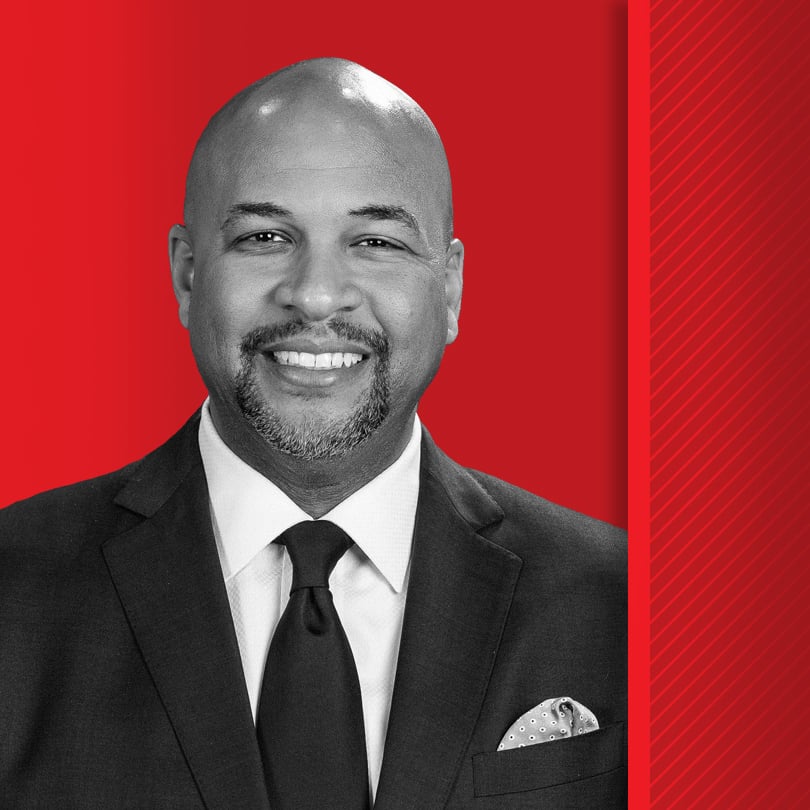
 Chris Eachus is a Founding Partner of CP Group, a vertically integrated commercial real estate investment and operating firm focused on acquiring and repositioning office assets across the Sun Belt.

CP Group is a value-add investor and operator with deep market knowledge across the Sun Belt. The firm has acquired, repositioned, and operated over 170 office and mixed-use properties, totaling more than 64 million square feet and valued at over $8 billion.