Why Hybrid Healthcare Is a Business Imperative for Employers in Georgia
Access to healthcare is more than an employee benefit. For many Georgia employers, it’s one of the largest business investments they make each year and a critical factor in attracting talent, supporting productivity, and managing long-term costs.

Amanda Free, President of Anthem Blue Cross and Blue Shield in Georgia. Photo credit: Contributed
Whether it’s a global company headquartered in metro Atlanta, a manufacturer in Northwest Georgia, a logistics business serving the Port of Savannah, or a small business in Middle Georgia, employers across Georgia are facing the same challenge: delivering quality, affordable healthcare in an increasingly complex environment. As costs continue to rise, employees want healthcare that is easier to access, easier to understand, and better connected.
Yet for many, navigating healthcare still feels fragmented, time-consuming, and overwhelming – from finding the right care provider to understanding benefits and costs to scheduling appointments.
The future isn’t fully virtual or entirely in-person but hybrid: seamlessly combining digital tools, virtual support, and in‑person care with greater speed, precision, and connectivity reflecting how people live and work today.
We see this shift firsthand with the members we serve across Georgia. At Anthem Blue Cross and Blue Shield, we’re focused on helping employers offer healthcare that’s easier to navigate, more connected across care settings, and designed around the needs of the individual. When healthcare works better, employees spend less time managing their care and more time focused on their families, careers, and communities.
Why hybrid healthcare is a business imperative
Today’s healthcare system was largely designed around in-person visits, which no longer aligns with modern schedules or expectations. Access can be limited, wait times can be long, and coordinating care across providers is often left to the individual. At the same time, the workforce expects flexibility. When nearly two-thirds of hourly workers receive schedules week to week, care requiring long wait times and limited appointments don’t work for employees or their employers.
Hybrid healthcare addresses this gap by combining digital tools, virtual care, and in-person services into a simpler, more integrated experience. This includes more integrated approaches across medical, pharmacy, and behavioral health. This makes it easier for people to access support quickly, identify needs earlier, avoid unnecessary office visits, and get the right level of care when they need it. For employers, that translates to fewer disruptions during the workday, better employee engagement, and lower costs tied to missed work or delayed care.
In Georgia, these solutions are particularly important. Employers support a fast-growing workforce across thriving metropolitan areas and rural communities where access to care can still be challenging. Better coordination helps ensure employees receive the right care at the right time, regardless of where they live, while helping reduce unnecessary delays and avoidable costs.
Using technology responsibly to simplify care
The opportunity to improve the healthcare experience is significant. A Harris Poll survey found that people spend eight hours a month coordinating care. That’s time most employees don’t have.
At Anthem, our focus is on making healthcare easier to navigate by using technology, including artificial intelligence in responsible, thoughtful ways, to simplify healthcare while keeping people at the center of every decision.
For Georgians, that includes:
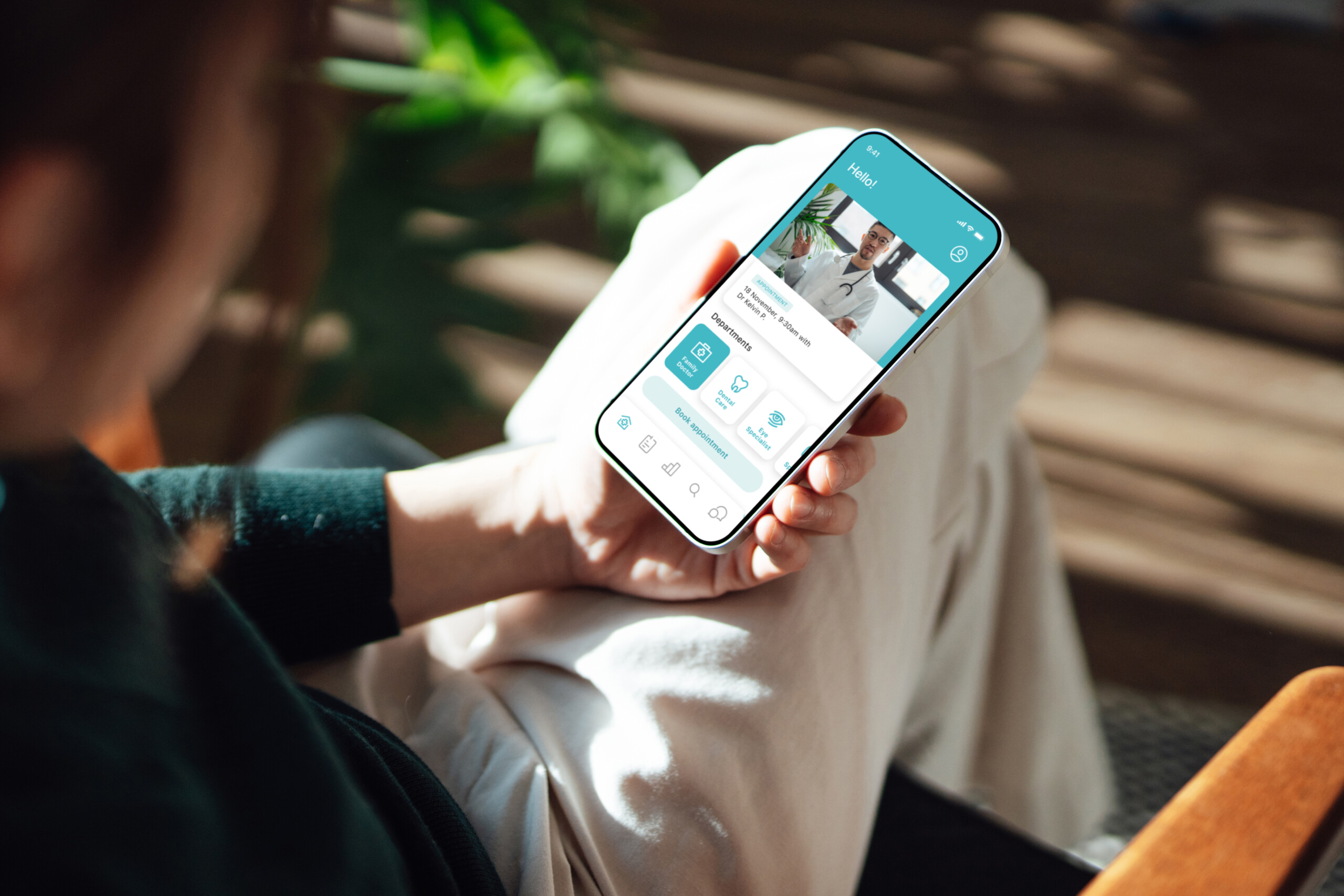
- A single digital front door: Through the Sydney Health member engagement platform, members can find in‑network providers, check benefits, estimate costs, and schedule appointments in one place.
- Personalized guidance: AI‑enabled tools help connect members with relevant resources, recommend next steps based on their healthcare needs, and provide data-driven insights while maintaining strong privacy protections and human oversight.
- Proactive support: Personalized reminders and outreach help members stay current on preventive care, manage medications, and access resources for chronic conditions before small issues become bigger ones.
We’re also investing in systems that allow health information to appropriately and securely move more easily across the care continuum. When data is connected, providers have better visibility of their patient’s health, and employees spend less time coordinating their own care.
Why interoperability matters
For employers, one of the biggest hidden costs in healthcare is fragmentation. Hybrid care only works when information can follow the individual. Without that connectivity, hybrid care breaks down creating delays in care and unnecessary complexity for employees trying to navigate the system. When healthcare information isn’t connected, employees experience delays, repeated paperwork, and unnecessary frustration. It should feel simpler and more integrated.
Interoperability helps make those transitions seamless by allowing health information to move securely between care settings. Better information sharing helps providers make more informed decisions, coordinate care more effectively, and intervene earlier when health issues arise.
In 2024 alone, the U.S. healthcare system avoided an estimated $258 billion in administrative costs through electronic transactions and improved data exchange. Through Health OS, our digital interoperability platform, we’re connecting data from the various corners of healthcare to give care providers and consumers a more complete view of a person’s health and healthcare, helping to create a more integrated healthcare experience.
Raising expectations for the healthcare experience
Georgians expect healthcare to fit into their lives. Meeting that expectation requires a connected, flexible approach that seamlessly blends technology with in-person care.
Building a more effective healthcare system will require continued partnership among employers, healthcare providers, policymakers, and health plans. Smarter, more connected care approaches can help improve affordability, simplify the healthcare experience, improve health outcomes, and support healthier, more productive workforces—strengthening Georgia’s businesses and communities.
When healthcare is easier to navigate, everyone benefits from employees and families to employers and the communities they serve.
Learn more at anthem.com/healthcareingeorgia.
Amanda Free, President, Anthem Blue Cross and Blue Shield in Georgia