Ups, Downs and In-betweens
A Busy Session: With another legislative session behind us, a number of bills are on Gov. Brian Kemp’s desk for him to sign or veto by May 12. Some, like Rio’s Law, which requires autism training for first responders, flew through both houses unanimously. A bill banning cell phones in all Georgia public schools, a bill to increase fines on insurance companies failing to comply with the law and one that will allow pharmacists to prescribe contraceptives, making it easier for those in counties without an OB-GYN to have access, are also awaiting action from the governor.
SB 220, which will significantly expand the state’s medical cannabis program, including adding lupus, severe arthritis and severe insomnia to the list of eligible conditions to be treated, saw strong bipartisan support in both chambers. And SB443, which makes it a high and aggravated misdemeanor for protesters to block roads or highways without a permit, could soon become law. The charge would be up to one year in jail or a $5,000 fine.
One of House Speaker Jon Burns’ priorities this session was to phase out property taxes on primary residences. Those efforts saw some success, but final wording was watered down to just limiting annual property tax assessment increases.
After weeks of negotiation, the state’s $38.5 billion budget was also finalized with just minutes to go in the session. This year’s budget included funding for one of Burns’ top concerns, raising childhood literacy – funding literacy coaches in elementary schools and implementing literacy and dyslexia screenings – and also added $100 million to boost the state’s Employee Retirement System funding.
Some controversial bills either died before Crossover Day in March or failed to cross the finish line on Sine Die. That includes an effort to remove legal exemptions for librarians so they can be criminally prosecuted for lending “harmful materials” to minors and attempts to end data center tax incentives. A mandate to install weapons detectors in all public schools in the state and a bill that would move Georgia into the Atlantic time zone also did not pass.
Supreme Court Race: While Georgia Supreme Court incumbent justices tend to cruise to reelection, two challengers have stepped up to make things interesting this May. Trial lawyer Miracle Rankin is challenging Justice Charlie Bethel, while former state Sen. Jen Jordan, also an attorney, has entered the race against Presiding Justice Sarah Hawkins Warren.
Both current justices were first appointed to the court in 2018 by former Gov. Nathan Deal, then reelected for a six-year term in 2020. Justice Warren had also previously served as Solicitor General for the State of Georgia under Attorney General Chris Carr. Justice Bethel previously served four terms in the Georgia Senate.
Floyd Fire: On March 23, the historic Floyd County courthouse, which was undergoing rehabilitation work, caught on fire and was destroyed. The fire started in the attic of the 134-year-old courthouse before burning through the second and third floors. The building is now undergoing structural stabilization while officials determine if it can be saved.
While the structure remains intact, much of the interior was destroyed and there was significant damage to the bell tower, with the county fire chief calling it a total loss. County services located there, including the county’s tax commissioner, tax assessor and tag office, had to be relocated.
Resignations: Elections this November are going to be interesting, with a large number of state lawmakers retiring or stepping down after the most recent legislative session. In the General Assembly, at least nine legislators retired after this legislative session – including State Sen. Freddie Powell Sims (D-Albany), who resigned from her seat representing District 12 in late March to deal with a family medical emergency. In addition, three state reps left office during the session after facing federal charges for COVID-19 unemployment fraud. Another 18 seats have opened up as legislators have stepped down to run for other offices.
The Republican Party has held control of both the state House and Senate for more than 20 years. In November, Democrats would need to flip six seats to gain control of the Senate and 10 seats in the House. 

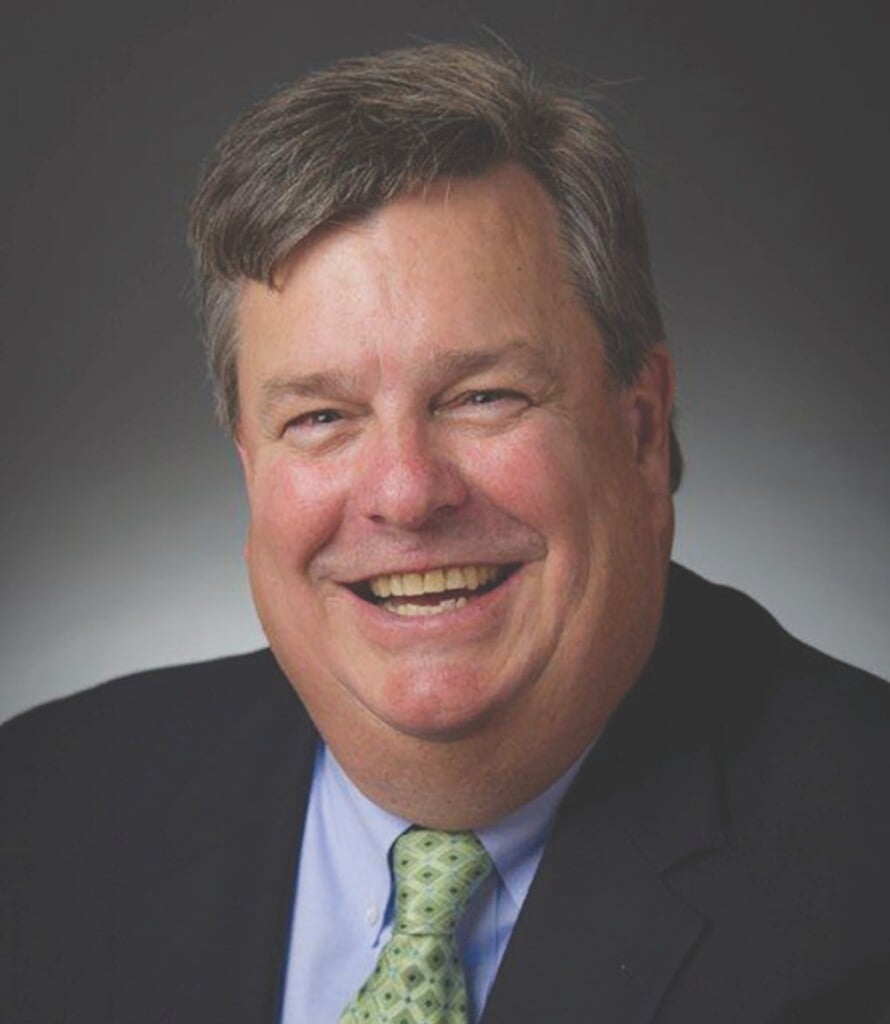
Representative-elect Clay Fuller (R-14). Photo credit: Contributed
Special Elections: Republican District Attorney Clay Fuller won the runoff in the U.S. District 14 race to replace former U.S. Rep. Marjorie Taylor Greene. Fuller, who was endorsed by President Donald Trump, defeated Democrat Shawn Harris, a farmer and retired U.S. Army brigadier general, by about 12 points, far less than Greene’s 29-point lead in 2024.
The result was part of a string of special elections in which Democrats performed better than expected, something the party hopes will create momentum toward the midterm elections in November, when control of Congress hangs in the balance.