9 Visionary Cities at Work
How these communities turned local challenges into statewide examples of innovation
What does it mean to be recognized as a visionary city? The Georgia Municipal Association says visionary cities are ones that create positive change through effective civic engagement and collaboration. These cities have strong leaders who strive to make positive changes that will last well into the future. The leaders of this year’s winning cities found success by collaborating with county, state and federal entities on projects that have made a significant impact.

Gathering Place: Albany Recreation and Parks Department Director Steven Belk and Mayor Bo Dorough at Charles Driskell Park. Photo credit: David Parks
This is the seventh time the GMA and Georgia Trend have come together to honor nine communities with Visionary City Awards. In this year’s projects, cities preserved green space and prevented flooding. They connected neighborhoods and made them safer. And they transformed neglected parks into welcoming places where people of all ages and varying abilities can thrive.
The Visionary Cities are grouped by population: small (fewer than 4,999), medium (5,000 to 24,999) and large (more than 25,000). We congratulate these communities on all that they have accomplished to make a positive impact on their region.
“The Visionary City Awards recognize cities that are doing the hard, thoughtful work it takes to make a real difference,” says Larry Hanson, CEO and executive director of the Georgia Municipal Association. “This year’s honorees come from communities of all sizes, but they share a common focus on listening to residents, working together and following through on their ideas. Their efforts show that strong leadership isn’t about size or location – it’s about commitment. GMA is proud to continue our long-standing partnership with Georgia Trend in celebrating cities that are helping move Georgia forward and improve quality of life for their residents.”
– Kathleen Conway
Changed for Good
Albany
Albany has created a blueprint for equitable development with the rehab of Charles Driskell Park – formerly Carver Park – which reopened in early 2025. And even though the $8 million project includes lots of new and improved stuff – community center, playground, basketball courts, football field, walking track, swimming pool – this isn’t just a park renovation project.

Shaped by Neighborhood Input: Driskell Park’s community center has an ADA-compliant design, top; the playground also underwent a renovation, below. Photo credit: David Parks
It’s a breath of new life for a historical hub for the Ragsdale neighborhood on the city’s south side.
Albany Recreation and Parks Department Director Steven Belk grew up a few blocks away and used to walk with his mother and siblings to Carver, which had the only public swimming pool available to the city’s Black residents.
“This was our sanctuary – our country club, if you will,” says Belk, who helped integrate the city’s youth football program as a youngster, with his two older brothers. “This place is more than a park. It was where the people congregated and learned, not only on the courts and football field, but from our elders. This was intergenerational learning.”
Driskell is the first step in a four-part plan to modernize Albany’s recreational infrastructure, improving accessibility and ensuring that every neighborhood has a gathering place, according to Mayor Bo Dorough.
“The Driskell Park ribbon cutting was the happiest day of my term,” says Dorough. “Not only for what the center provides, but for what it unlocks citywide.”
The city is replacing aging facilities at Henderson Park, expanding Carver Gym to college regulation size and building two new community centers. The momentum is spreading.
At Driskell, the community center’s ADA-compliant design, computer lab and walking track were shaped by neighborhood input. City staff knocked on doors, visited local churches, gathered surveys and the residents spoke. They wanted a place for seniors to exercise, for after-school programs, a safe place for teens and for neighbors to gather.
Within weeks of reopening, the center was packed with fitness classes, mentoring programs and basketball tournaments. Ragsdale’s hub was hopping and already serving as a model for a new generation of community development.
Rome

Civic Engagement: Dozens gather for the ribbon cutting at Banty Jones Park. Photo credit: Contributed
In the heart of East Rome Crossing, next door to one of Rome’s largest public housing communities – in a neighborhood where nearly 30% of the people live in poverty and safe public spaces are scarce – Banty Jones Park stands as an example of what can happen when community feedback guides a city’s vision.
The outdated park had a reputation as a high crime area, and residents overwhelmingly avoided the place, describing it as unsafe and underused. “And that was the gut punch for us,” says Rome City Manager Sammy Rich. “That let us know that we, as a city, really needed to focus some needed attention on this park.”
Rome responded with a plan rooted in the people’s voice, powered by a $1.5 million HUD Choice Neighborhood planning grant. More than 175 residents weighed in with their priorities: a safe place where their kids could play, where seniors and people with disabilities could enjoy accessible activities, and where neighbors could gather.

Safe and Accessible: Banty Jones Park renovations include shaded structures, top right, and ADA accessible playgrounds, left. The park was named after Charles “Banty” Jones bottom right, a prominent Black businessman, activist and community leader in Rome. Photo credit: Contributed
This demonstration of civic engagement became the blueprint for a $5.5 million transformation, funded through community development block grants, state and federal funding and pandemic-related federal funds, among other sources.

Beneficial Project: From left to right, Rome City Manager Sammy Rich, Homeless and Housing Manager Molly Majestic and Director of Community Development Bekki Fox helped oversee the $5.5 million transformation of Banty Jones Park. Photo credit: Joann Vitelli
“We took everything residents said to heart,” says Molly Majestic, Homeless & Housing program manager for Rome, who previously worked with the Northwest Georgia Housing Authority, the city’s partner in the park revitalization. Other collaborators include the Rome-Floyd Parks and Recreation Authority, the YMCA, Rome Police Department, local churches and service organizations, each contributing funding, expertise or long-term commitments.
Now the site features a barrier-free splash pad, ADA-accessible playgrounds, walking paths and shaded seating, as well as cameras and lighting, creating a sense of safety, joy and inclusion. The park will also offer mentoring programs, family events and planned accessible outings.
“We feel so strongly that the good people in this neighborhood are going to benefit from this huge project and make it their own,” says Bekki Fox, Rome’s director of community development. “This park is now a focal point for pride and change.”
Valdosta
When people have nowhere to turn for basic critical needs like food, water and a bed, they often visit a hospital’s emergency room or flood a city’s 911 center with phone calls.
But in Valdosta, those calls for help are now being answered before they’re even made, thanks to a proactive program called HEART – the Homeless Engagement Resource Team, launched in July 2024.

Proactive Engagement: The Homeless Engagement Resource Team known as HEART provides life-sustaining essentials to people and their pets, reducing the number of 911 calls. Photo credit: Contributed
Created by the Valdosta Fire Department in partnership with SGMC Health’s Emergency Management System, HEART sends firefighters and EMS clinicians into encampments and improvised shelters with essentials, including water, nonperishable food, hygiene kits, basic wound care supplies and more.
“The idea clicked when I realized that the mission isn’t about solving homelessness,” says retired Valdosta Fire Chief Brian Boutwell, who modeled HEART on similar programs in other cities around the country. “It’s about meeting people where they are to deliver life-sustaining essentials and reducing 911 calls in the process. When we embraced that, the impact became endless.”
For SGMC Health, the impact has been immediate, as HEART has become an extension of its preventive care mission.
“In EMS, you often get tunnel vision going from call to call,” says Emily Brown, SGMC’s director of EMS and trauma services. “HEART makes us aware of people who aren’t calling 911 until things get bad. Addressing their needs ahead of time truly makes a difference – for the people we serve in the unhoused community and for our system’s ability to respond to real emergencies.”
After Hurricane Helene last year, HEART was on the street the very next morning, delivering essential items, separating emergencies from non-emergencies, providing care.
“The people knew we were coming,” Brown says. “That consistency matters.”
While visiting neighborhoods that had been hammered by the storm, Boutwell went to a house to deliver some essential items and recognized the couple inside. “They’d been on the street but now had a place to stay,” Boutwell says. “We don’t always get to see that side of the equation.”
 Collaboration Station
Suwanee

Overcoming Challenges: Denise Brinson, Suwanee’s assistant city manager, and Suwanee Mayor Jimmy Burnette. Photo credit: Woodie Williams
What can green space do for your city? In addition to being a place for recreation, a park can connect neighborhoods while relieving congestion in other areas. That’s what the city of Suwanee first envisioned with Town Center on Main. But the municipality found itself negotiating a major project with many moving parts, including skyrocketing expense, in the middle of a pandemic.
Denise Brinson, Suwanee’s assistant city manager, says Suwanee designed Town Center on Main to serve as an extension of Town Center Park, mitigating the traffic impact on the “well-loved” gathering spot while strengthening the connection between Town Center and historic Old Town, the two largest neighborhoods in downtown. Leaders adopted a plan and secured funding – a URA (Urban Redevelopment Authority) Bond in addition to SPLOST and local funds – but then 2020 arrived.
COVID-19 not only forced a halt to the project, it also brought a “dramatic escalation of costs,” says Brinson. The city chose a Construction Manager at Risk project delivery approach which shifts significant risk away from the owner. This enabled the city to collaborate with the park designer, bridge engineer and contractor to make informed pre-construction decisions. The process ultimately resulted in substantial cost savings, including on the largest single-item expense, an iconic park-spanning pedestrian bridge.

Attractive and Fun: Town Center on Main includes a park-spanning pedestrian bridge, left, and volleyball courts, top right. Town Center on Main serves as an extension to Town Center Park for more green space, bottom right.
A second key challenge was coordinating with three organizations adjacent to the park. Evergreen Presbyterian Church and a Gwinnett County Public Library branch needed assurances that they could maintain regular working hours and provide adequate customer parking during the project. Additionally, a new Gwinnett County Fire Station shared one of the park project’s newly constructed roads.
Strong communication and an “unusually high degree of collaboration” were essential to the Suwanee success, according to Brinson. It’s fitting that a park that connects the city was born from connection – with partners, stakeholders and the people.
“The results have been an iconic pedestrian bridge and seamless integration of the library and church into the park,” Brinson says. “This alignment of vision, technical expertise, public will and private initiative is ultimately what made Town Center on Main possible.”
Griffin
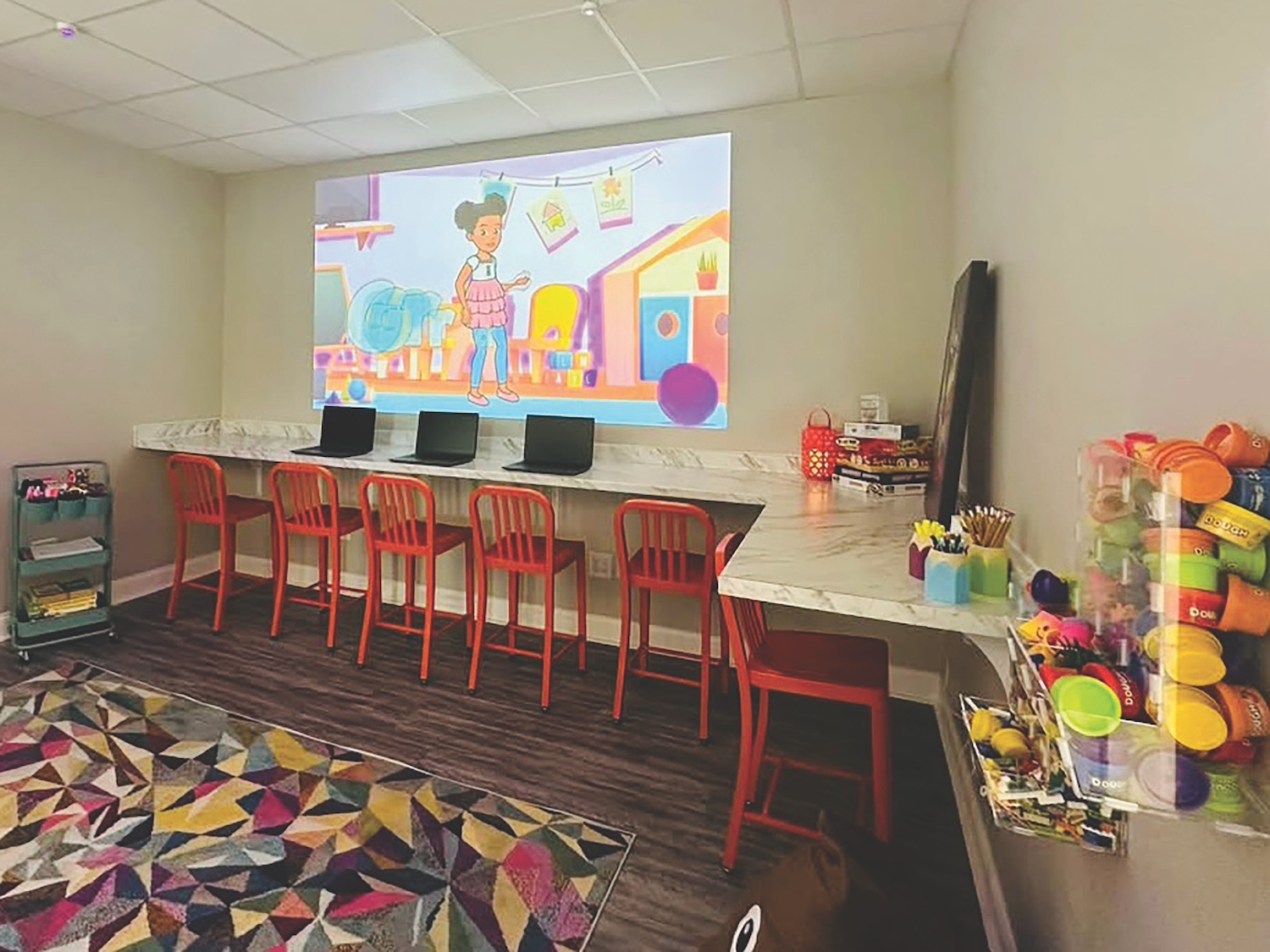
Positive Space: The South Precinct and Community Center in Griffin provides a place for kids to participate in games, crafts, tutoring and recreation. Photo credit: Contributed
Living in an unsafe neighborhood is not only a threat to one’s physical well-being, it also impairs mental health and undermines the sense of a shared experience, a critical social component of thriving communities. Residents recently faced these challenges and more in a troubled area of Griffin.
“With the Southside area having a history of gang and drug activity, many young people lacked a safe, structured environment to visit after school, and parents had few options outside the home,” says Lt. Brandon Walden of the Griffin Police Department, adding that criminal activity at nearby Raymond Head Jr. Park discouraged families from using a space intended for recreation and community gathering.

Dual-Purpose Facility: Griffin Public Safety Director and Chief of Police Frank Strickland and Lt. Brandon Walden stand with others inside the community center, which opened in 2025 (top left). It offers a safe space for children ages 8 to 12 and their families to visit (top right). Enhancing Quality of Life: The ribbon cutting for Griffin’s South Precinct and Community Center took place in April of 2025. The facility officially opened to the public in June (bottom).
To enhance quality of life, Griffin needed to take major action. The city then put its motto “Growing, Together” into motion. Community feedback shaped it, a federal grant helped fund it, and many parties, including civic organizations, local businesses and charitable events, supported it. The result: The South Precinct and Community Center, a dual-purpose facility that provides a safe and positive space for children ages 8 to 12 and their families, opened in 2025.
The Griffin-Spalding County School System coordinates tutoring, identifies students in need of mentorship and welcomes community outreach officers into all five elementary schools each day with three now dedicated to the Community Policing Unit. Jessica O’Connor, Griffin’s city manager, calls the city’s successful approach “a commitment to partnership, integrity and service.”
Since then, more than 22 families have registered, with eight to 15 kids stopping by the community center daily for games, crafts, tutoring and recreation. And crime involving minors in the surrounding Southside area and complaints about illegal activity at Head Park have decreased.
“The greatest surprise was how quickly the community embraced the center and how deeply relationships changed,” O’Connor says. “Neighbors resolved long-standing disputes, parents found a peaceful place to spend time with their children and older residents expressed gratitude and a desire to volunteer.”
Brunswick

Confronting Coastal Flooding: Rendering of a proposed wetland stormwater management feature. Photo credit: Contributed
For coastal towns, not everything is a day at the beach. The city of Brunswick had to confront the effects of coastal flooding, high-tide events, stormwater runoff and sea level rise.
The city required better coastal management measures, drainage and elevation improvements to streets and neighborhoods, runoff reduction at a school, and enhanced design of flood mitigation basins, which are vegetated water collection areas. The affected areas were Prince Street, the Habersham Park neighborhood, Lanier Boulevard and Glynn Middle School. The original National Fish and Wildlife Foundation grant funded preliminary design of these tasks, but there were still design, permitting and construction phases after that.
When the second NFWF grant for final design and permitting was not funded, Brunswick and its project partners were forced to find another way forward financially. A Coastal Incentive Grant, Bipartisan Infrastructure Law funding through the Department of Natural Resources Coastal Resources Division and assistance through the National Oceanic and Atmospheric Administration’s land conservation funds were secured for drainage fixes, runoff reduction, pipe connectivity and elevation improvements. After design and permitting, the funding plan for construction is to tap FEMA’s Hazard Mitigation Assistance program, which provides grants for disaster loss prevention and reduction.

Detailed Research: A survey team from engineering firm Goodwyn Mills Cawood collects field data at a project site, above. An area south of Glynn Middle School, seen in this aerial photo (right), was affected by coastal flooding. Photo credit: Contributed
To overcome Brunswick’s environmental challenges, a rigorous design process, including detailed research of sea level rise and climate change projections, was imperative. Projecting increases in tidal elevations and storm intensities is critical to ensuring that the city’s planned improvements remain functional for the next 50 years or more, says Garrow Alberson, the city’s public works director and engineer.
“The project not only solves problems with water runoff and flooding, but it creates a wonderful environment for preservation of the wetlands, support for wildlife and plants, and opportunities for exploration and exposure for the community,” says Alberson, who credits the state Coastal Resources Division and the Glynn County Board of Education as the city’s two primary collaborators. “It was also surprising how the different governmental agencies came together without hesitation to support and engage in the project.”
Better Together
Chattahoochee Hills
It was the sound of a bulldozer some 25 years ago that triggered the creation of the only city in the U.S. with zoning that mandates 70% permanent greenspace – Chattahoochee Hills.

Balancing Growth and Preservation: Chattahoochee Hills Map shows the projected population and development outlook through 2050. Photo credit: Contributed
From 1950 to 2020, Metro Atlanta grew from under 1 million to more than 6 million people, devouring farmland and forests to accommodate the growth. Residents of the area called Chattahoochee Hill Country in southern Fulton County, south of Atlanta, sought to avoid sprawl and preserve their rural character. So they implemented a plan to balance growth with preservation.
“It’s a special place,” says Mayor Tom Reed. “You can create a better quality of life by sticking to a vision.”
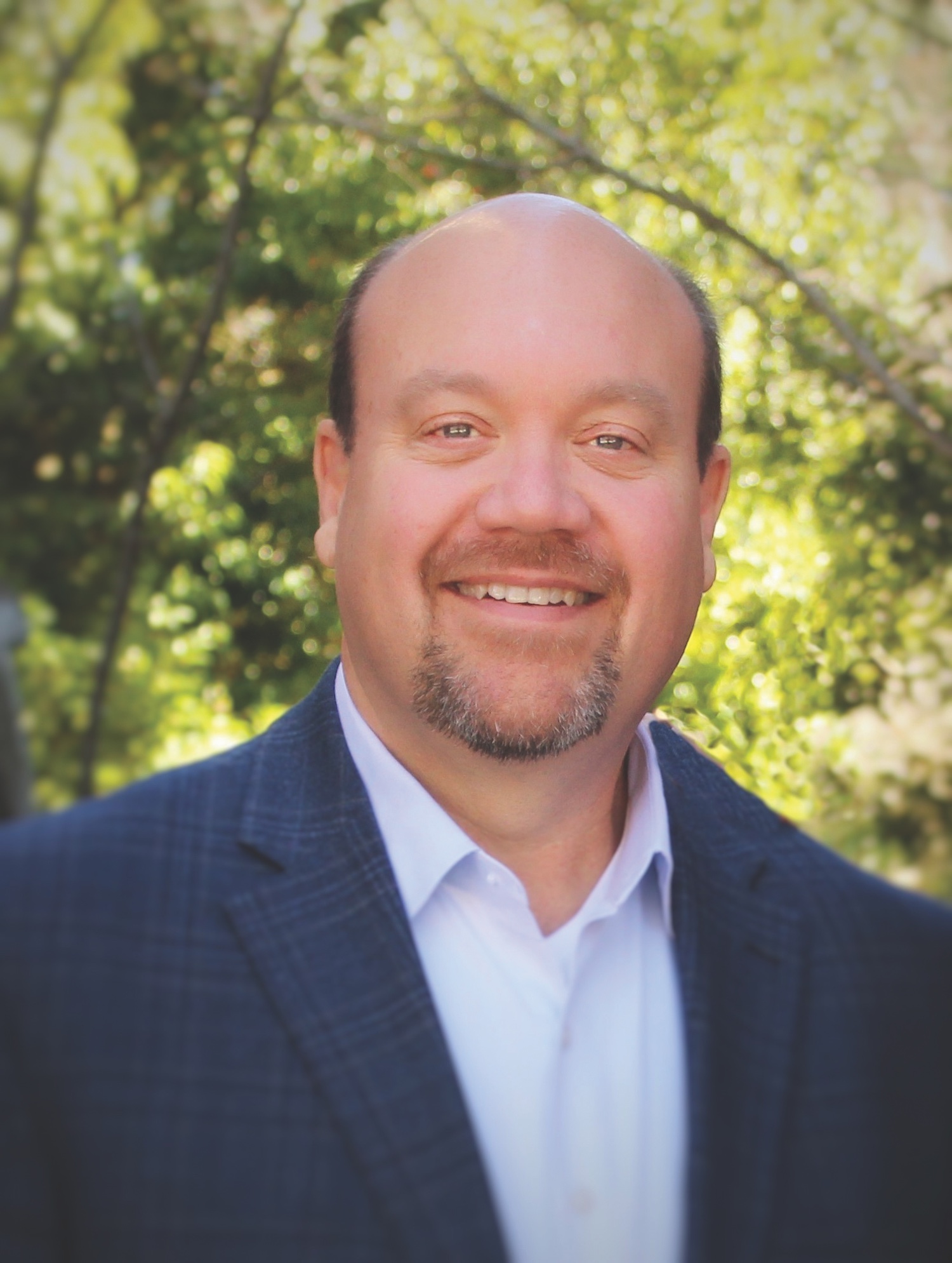
Sticking to a Vision: Chattahoochee Hills Mayor Tom Reed. Photo credit: Contributed
They started with “40,000 acres of land, 130 miles of road, no town center and no tax base, just a bunch of farmland,” says Reed. Residents, landowners and developers held nearly 160 meetings, crafting a plan that has put more than 12,000 acres of farmland, forests and river corridors in permanent conservation. Trails, parks and greenways connect compact mixed-use housing developments. The result is a walkable city, lower infrastructure costs and a stable tax base.
The city relies on a set of development tools that allow developers to pay to build more in some areas, and the money they pay is used to protect land and historic places elsewhere. In short, the city shifts development rights from places it wants preserved to places where building is allowed. The city also hosts events focused on agritourism, arts and culture, history, and outdoor recreation, including a Barn Quilt Trail, farm-to-table experiences and equestrian events. Reed says they’ve created a model for small cities to protect resources while still creating value.
“We’re taking control of our destiny here.”

Walkable Region: Map of the Serenbe community master plan in Chattahoochee Hills. Photo credit: Contributed
Watkinsville
In 2024, Watkinsville opened the Thomas Farm Preserve, a 100-acre tract that’s the largest public green space in the city’s history. Just two years prior, Mayor Brian Brodrick and city leaders saw a rare opportunity – the chance to protect open land near the heart of town from development.

Protected Land: The Thomas Farm Preserve in Watkinsville is the largest public green space in the city’s history. Photo credit: City of Watkinsville
Brodrick says the former landowner was willing to take “a little less than he would have gotten from a developer,” and the city was willing to pay a little bit more than the appraised value of the land. “It’s really created a transformative space for our community,” he says.

Transformative Place: Watkinsville Mayor Brian Brodrick, left, at the Thomas Farm Preserve, which is 100 acres filled with trees, creeks and waterfalls, right. Photo credits: City of Watkinsville
Despite an annual budget of less than $4 million, the city, just south of Athens, pulled off the $5.55 million investment through the combination of a low-interest loan from the Georgia Environmental Finance Authority, SPLOST funds, American Rescue Plan Act (ARPA) funds and a one-year property tax increase amounting to less than $25 per household or business. This collaborative financial approach limited the taxpayer’s responsibility while preserving the property. Brodrick says everyone came together in the “Watkinsville Way” with a shared vision.
“We really thought there was a need for a beautiful passive space that would inspire people and give people a chance to unplug, reflect and enjoy God’s creation.”
The passive-use space features trails, pastures, forests and fishing ponds. Plans for 2026 include a sidewalk and covered bridge connecting the preserve to the town.
In addition to funding, the city’s three-person parks team – previously responsible for just a few parks – faced the challenge of managing the 100-acre property.

Preserving Nature: Mayor Brian Brodrick, center, joined dozens of others for the Thomas Farm Preserve ribbon cutting in 2024. Photo credit: City of Watkinsville
“Even if this is a reach for us right now, 50 years from now, people will look back and say this is one of the most important things we ever did for Watkinsville,” says Brodrick.
Hartwell
Like much of rural Georgia, Hartwell has seen its population age as young people leave for opportunities elsewhere. Jason Ford, director of Economic and Community Development, says Hartwell is “40 minutes from everything,” on the border of South Carolina, yet it remains “quintessential small-town Americana.” And residents want to keep it that way. But doing so requires convincing young people to stay or return.

Contest Top Three: Kason Carden, second from left, Jackson Ford, center right, and Ivan Delgado-Rojas, third from right, won seed money for their business ideas. Photo credit: Contributed
That was the impetus behind StartUp Hart, a program to cultivate a generation of business owners who are not only skilled but deeply invested in the future of their hometown.

Winning Idea: Third place winner Kason Carden at a fishing expo in 2025, left, and presenting his idea for Big’n Outdoors, a hunting and fishing store, right. Photo credit: Contributed
“We want kids to know that when they graduate, there are options for them here,” says Ford. “Or if they go on to college or the military, if they come back to Hartwell, there are opportunities here.”
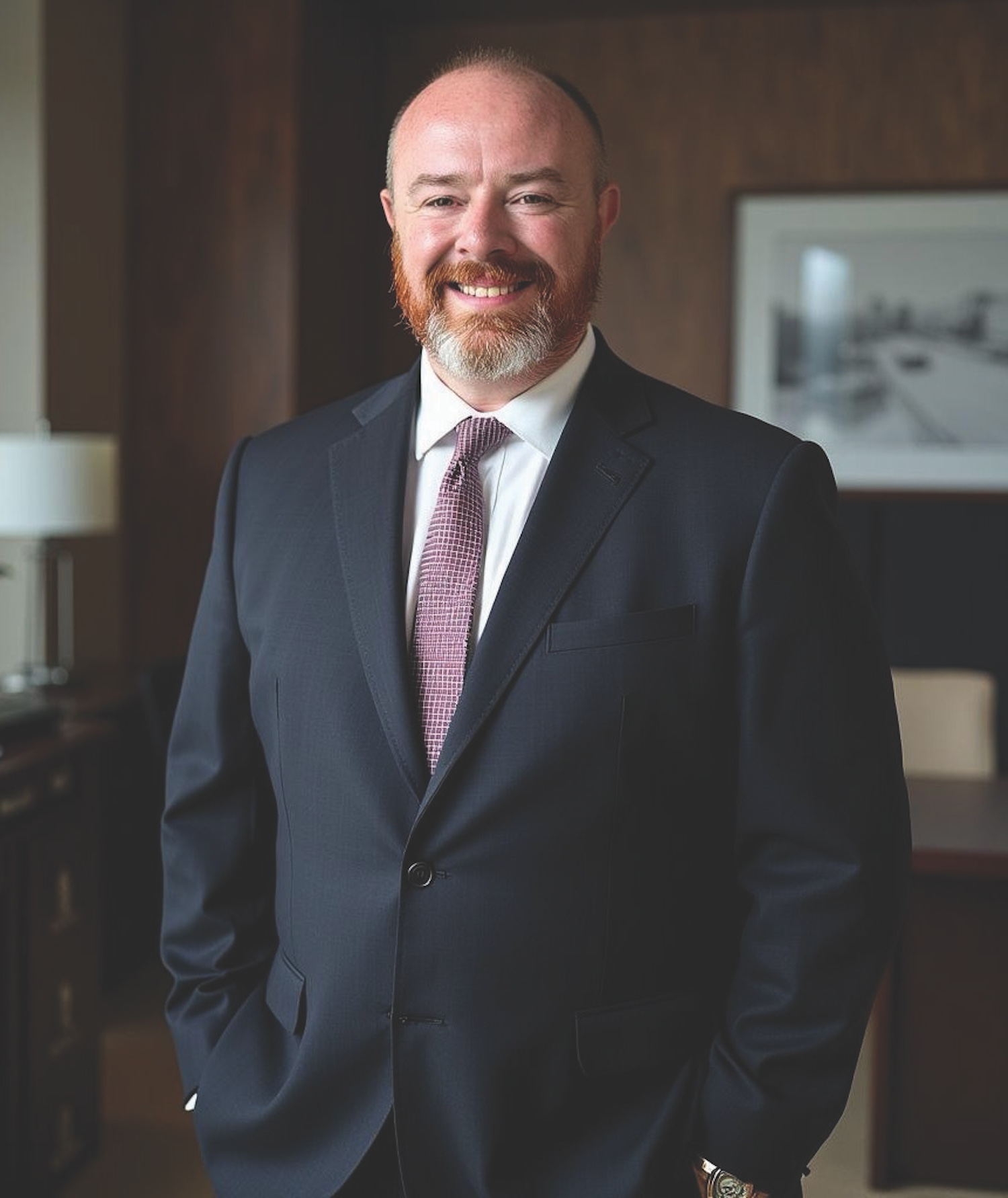
Empowering Students: Jason Ford, director of Economic and Community Development in Hartwell. Photo credit: Contributed
With a grant from Georgia Power, local government leaders paired with educators and business leaders to create a Shark Tank-style contest that awards up to $1,000 in seed money to the top three students with ideas for businesses in Hartwell. Eleven students have gone through the program, pitching ideas that include a music lesson/studio space, custom car rebuilds and school safety.
In 2024, Kason Carden used his third-place prize to help open Big’n Outdoors, a hunting and fishing store serving visitors to nearby Lake Hartwell.
“To have a group of mentors guide and support me through this program proves there is something about a small town,” Carden said in an email.
“They’re not doing lemonade-stand type projects,” says Ford. “They’re doing real businesses based on real needs in the community. … I think they’re rock stars.”
Program participants benefit from mentorship, guidance from a local bank and business plan review through the University of Georgia’s Small Business Development Center.
“StartUp Hart doesn’t just prepare students to succeed – it empowers them to shape the future of their hometown,” Ford wrote in his Visionary Cities award application. “That’s not just innovative – it’s visionary.”